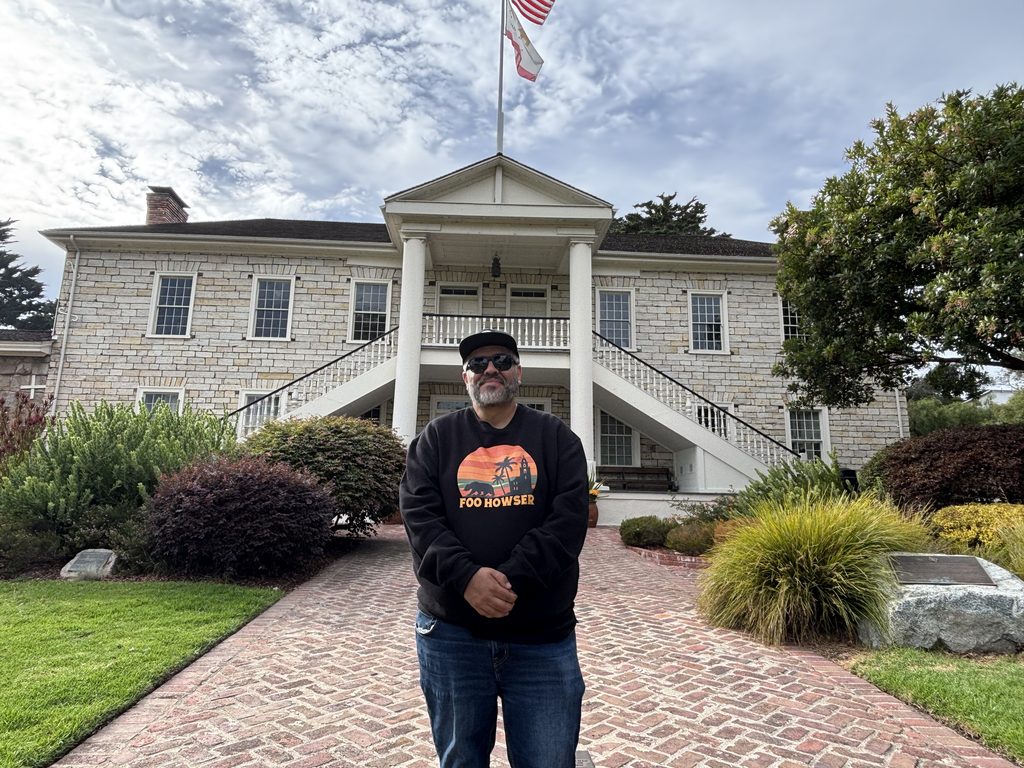

Monterey is one of the most important cities in the history of California. It served as the capital of Alta California during both Spanish and Mexican rule; it’s where the American flag was first flown over California, and it’s where the state’s first constitution was ratified. Monterey is steeped in layers of California history and there’s no better place to learn that history than Monterey State Historic Park. It’s a collection of historically significant houses and buildings spread all throughout Old Monterey and there’s no better starting point than the Custom House. There’s a reason why it’s California Historical Landmark No. 1.
The Custom House was built in 1827 and is the oldest government building in the state. It was the original trading hub of the West Coast–all cargo coming off boats to sell in Alta California had to come through the custom house and pay import duties of 80-100%! That seems pretty steep, but the boats would sell or trade their goods in exchange for cow hides that they would then take back an sell in New England for 5 to 10 times what they were worth in California. It was also the site where the American flag was first flown over California; signaling the beginning of the transition from Mexican to American rule.
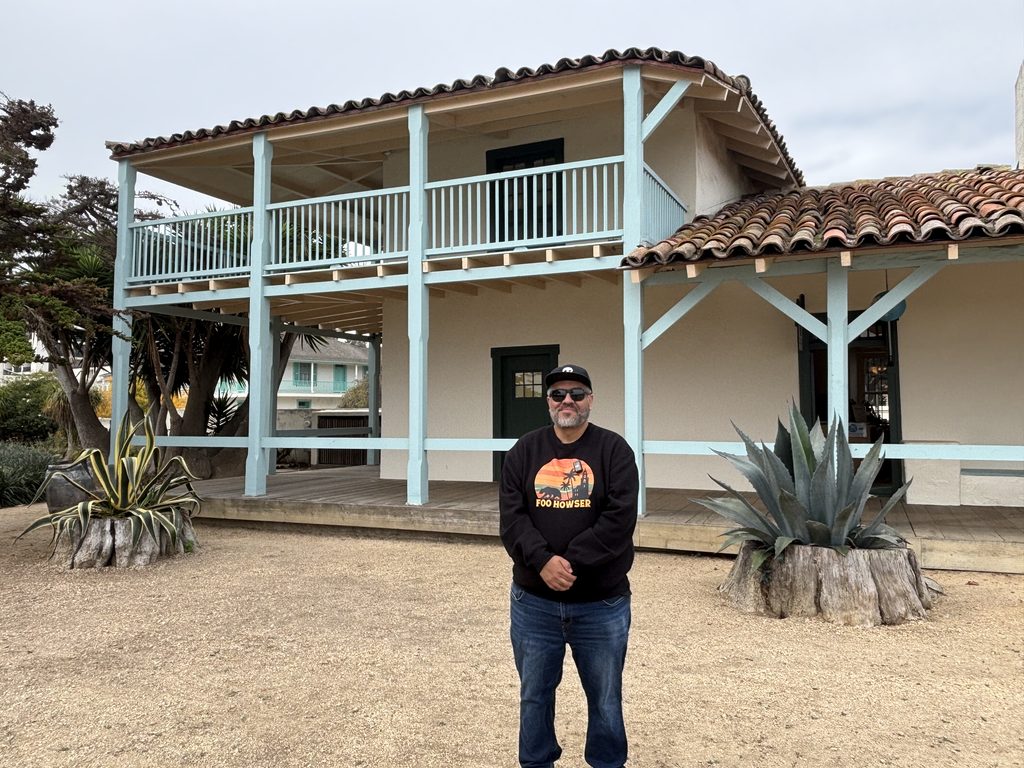
The Pacific House Museum was built in 1847 for American merchant Thomas Oliver Larkin (you’re going to hear this dude’s name A LOT). The corral on the westside of the building was once used to host weekly bull and grizzly bear fights. The brutal spectacle was a regular part of the townspeople’s Sunday routine.
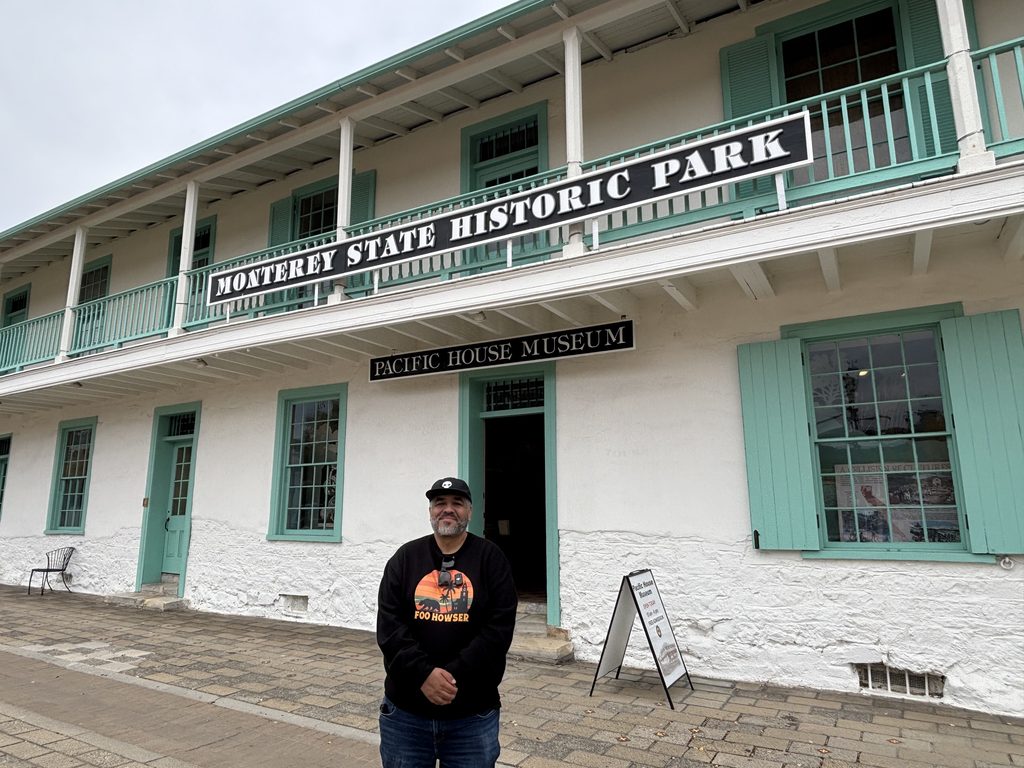
La Casa del Oro was built in the 1840s for Thomas Oliver Larkin. He eventually sold the building and it was subsequently leased to Joseph Boston and Company for use as a general store. One of Boston’s partners was the deputy tax collector, so the store became the depository of the County’s taxes, and eventually home to the first iron safe in Monterey. Gold miners were said to store their gold in the safe, which is how the building got the nickname of “la casa del oro.”
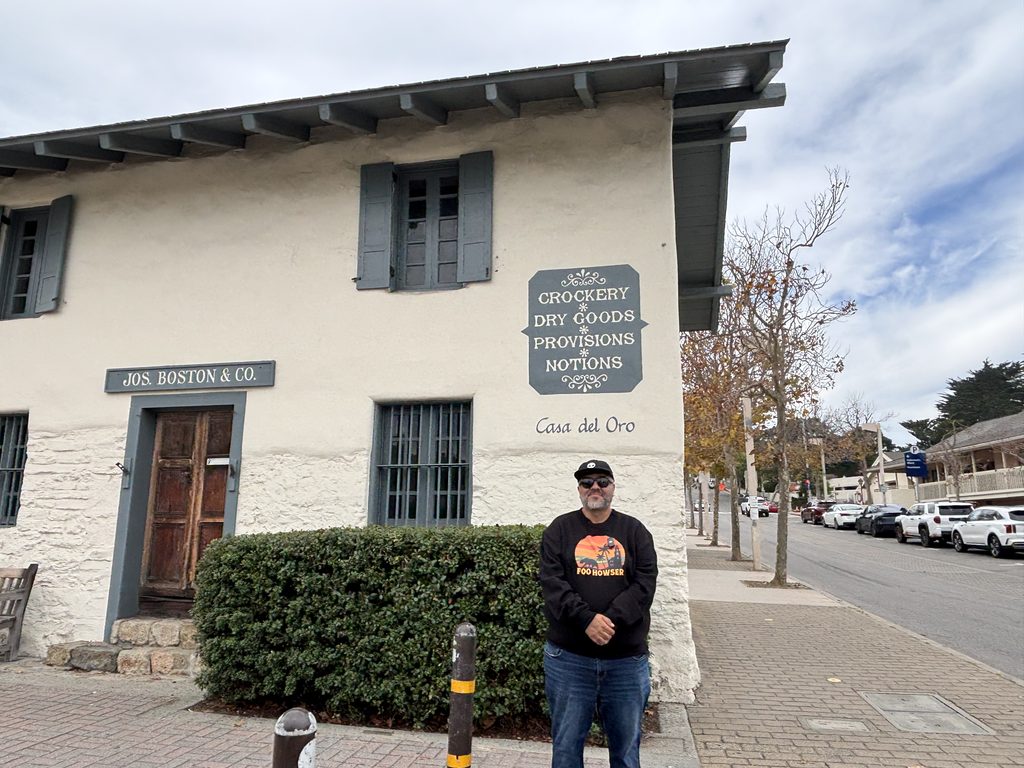
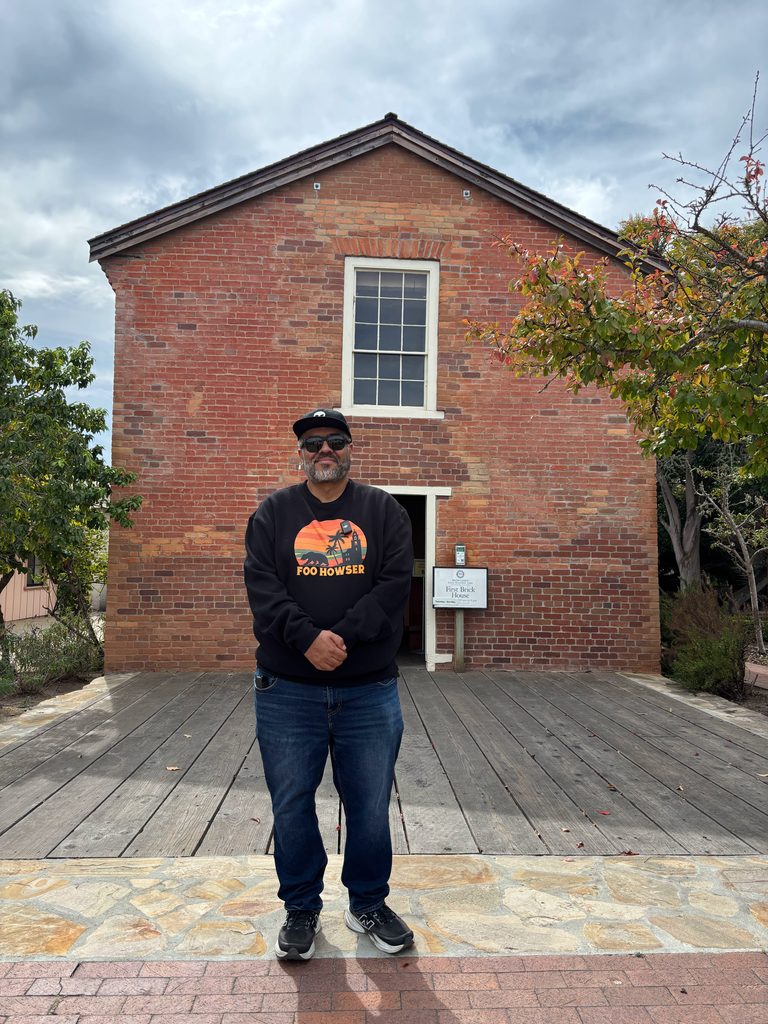
The first brick house in California changed how the state was built. Early Californian architecture relied heavily on adobe blocks, but Gallant Dickenson introduced fired clay brick making to Monterey in 1847 and changed the landscape of the state. The clay brick walls where thinner than the adobe blocks, but provied much more structural strength.
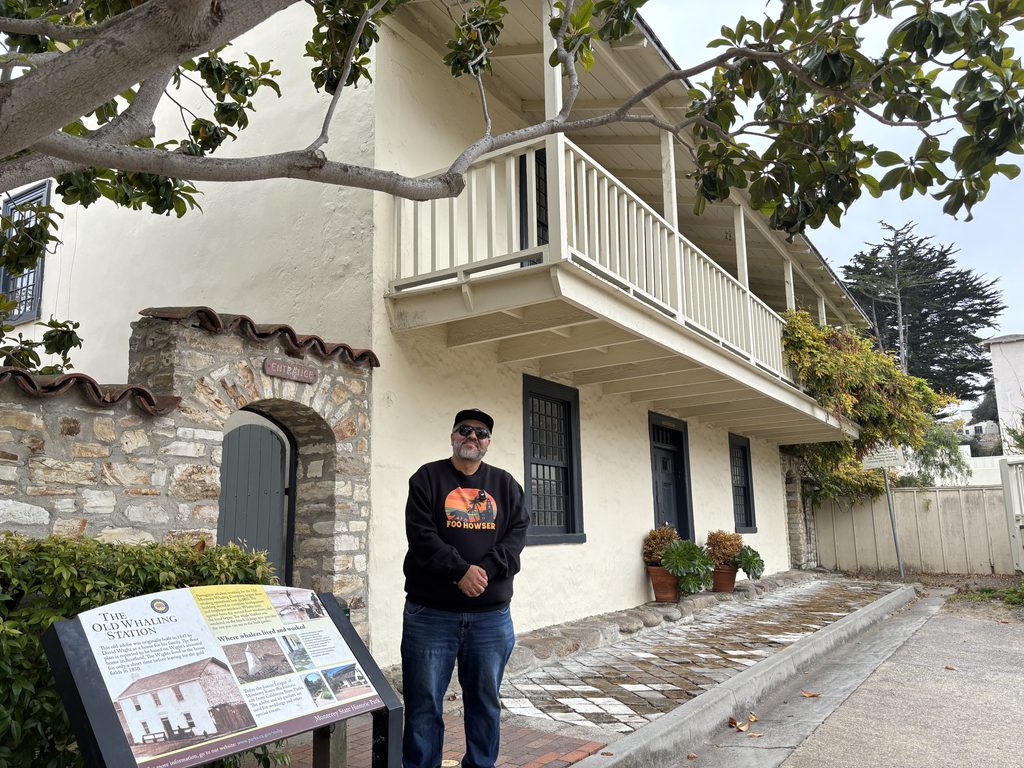
The Old Whaling Station was built in 1847 by David Wight as a family home. By 1855 the building had become the headquarters and employee housing of the Old Monterey Whaling Company. Whaling was a very important industry in early Monterey and this building contains one of the last physical remnants of that time–the walkway in the front of the house is made entirely of whale vertebrae.
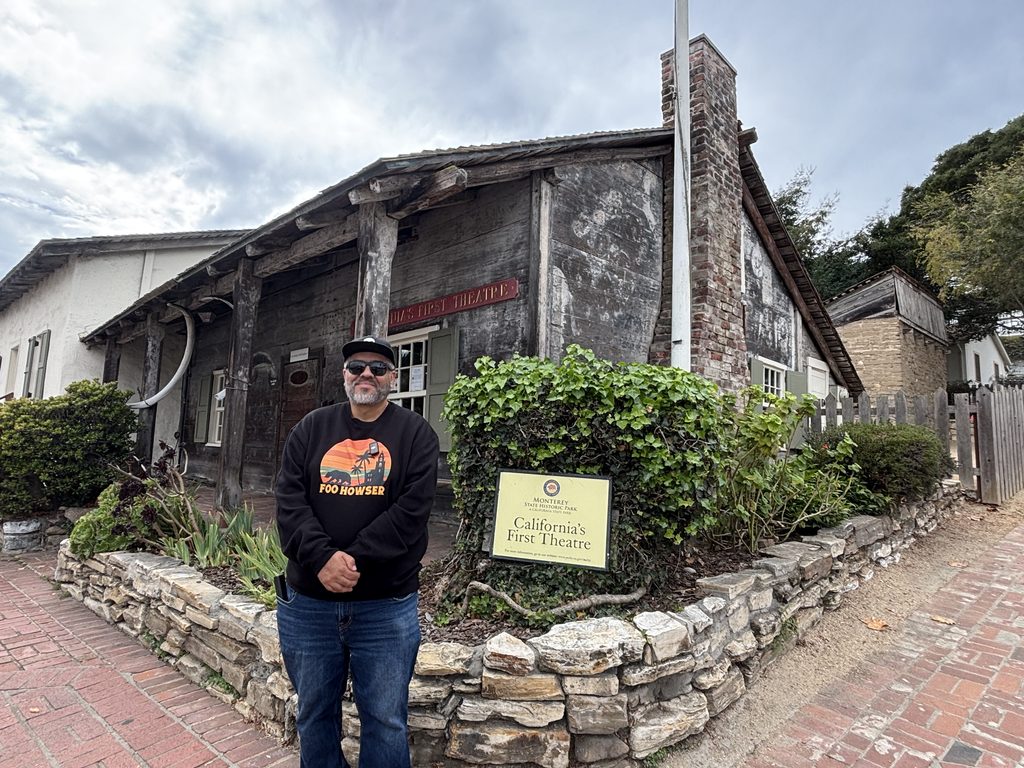
California’s First Theatre began as a tavern and lodging house built by Jack Swan in the 1840s. At the end of the Mexican American War, Col. Stevenson’s 1st New York Volunteers Regiment disbanded and the officers found themselves stranded with no way to get home. They convinced Swan to let them put on plays to raise funds. The first night they made $500!
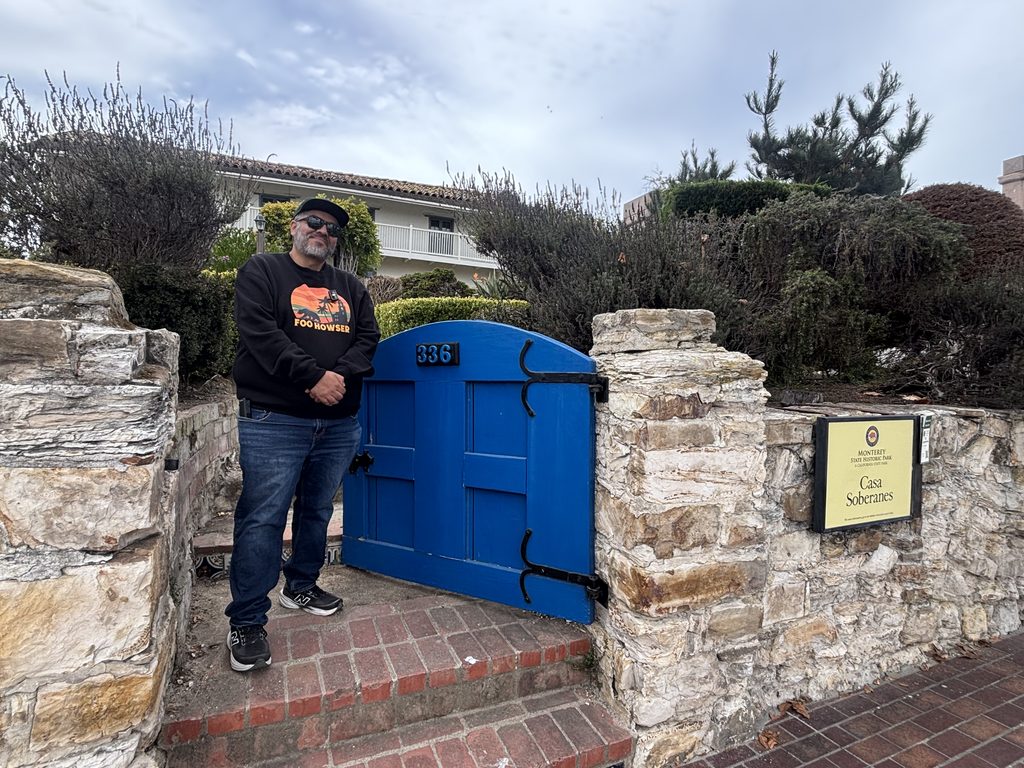
Casa Soberanes was built in the 1840s by Rafael Estrada. His family lived there until the 1860s, when he sold it to his cousin, Ezequiel Soberanes. The home was then bought by Jean Booth and her husband Reuben Serrano–they’re the ones that installed the iconic blue gate.
The Larkin House was one of the first two-story houses built in Monterey and is considered the “prototype” of Monterey Colonial architecture. It was built in 1835 for Thomas Oliver Larkin (there he is again!) and eventually donated to the state of California by his granddaughter, Alice Larkin Toulmin.
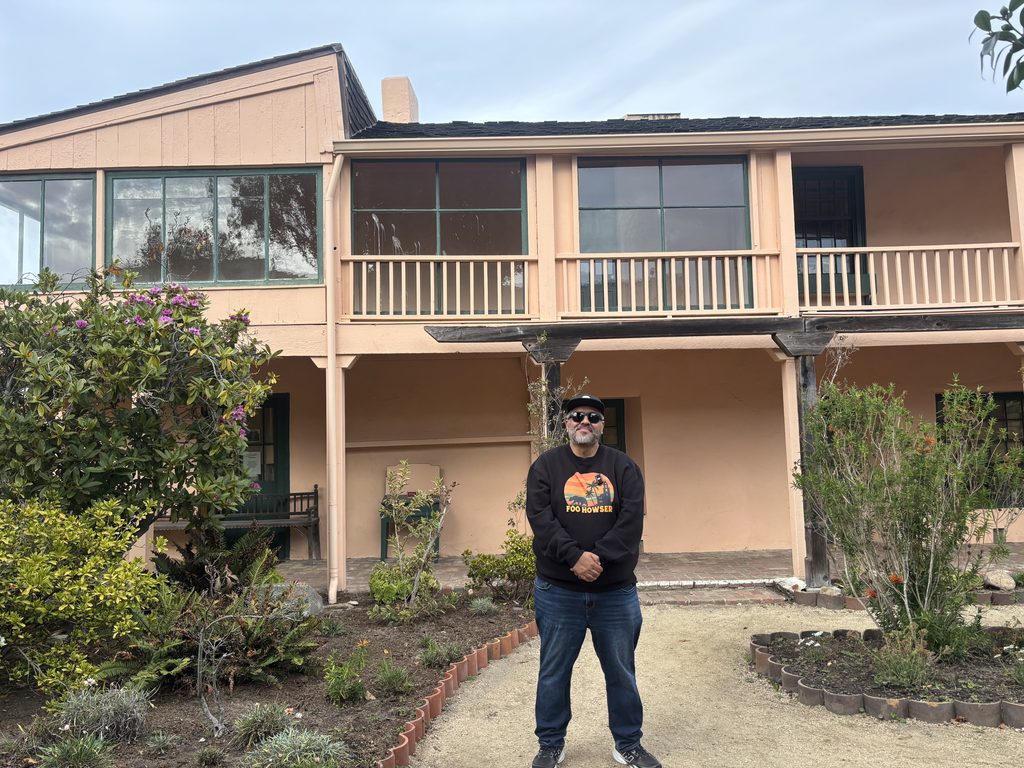
The Sherman Quarters is a small adobe that was built in 1834 by…drum roll please…Thomas Oliver Larkin. He allowed U.S. troops to headquarter there during the U.S. occupation of California and one of those soldiers happened to be Lt. William Tecumseh Sherman.
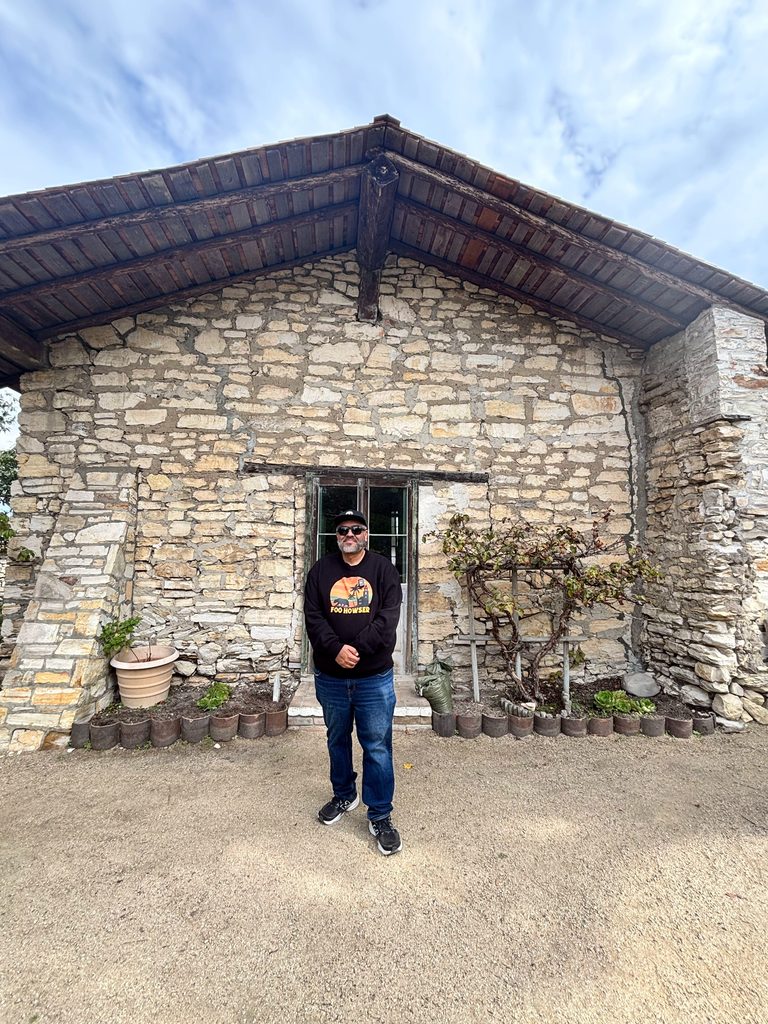
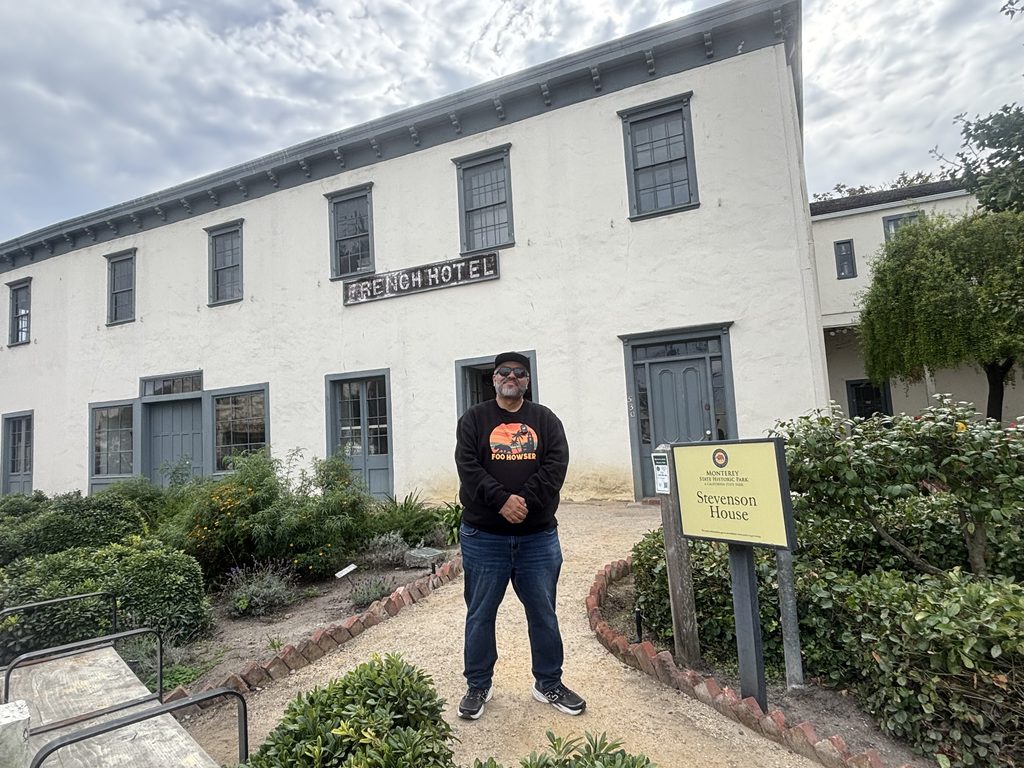
The Stevenson House was built in the 1830s as a two-story adobe that eventually became the French Hotel. A young writer by the name of Robert Louis Stevenson stayed here for a few months in 1879 while he courted his future wife.
Colton Hall is not technically in Monterey State Historic Park, but is probably the most important building in Monterey, if not California. In 1849, 48 delegates gathered here to draft and ratify the constitution under which California was admitted to statehood on September 9th, 1850.