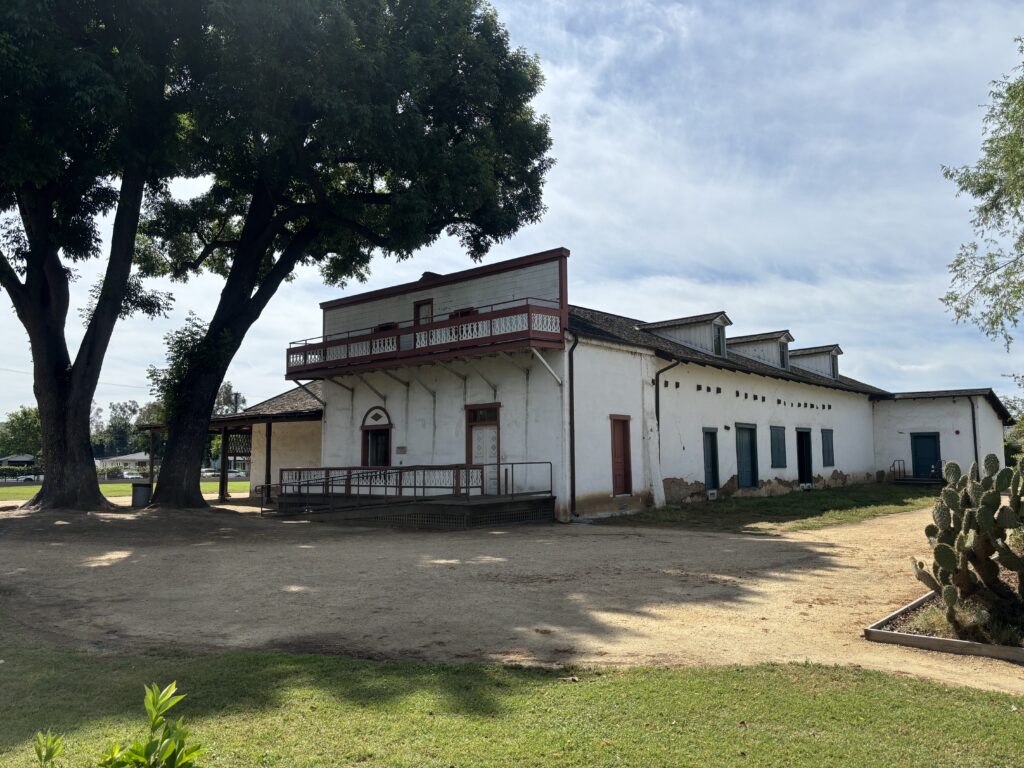

One of my favorite places in Southern California to visit Pio Pico State Historic Park. I’ll grab a cup of coffee and just go and contemplate what life was like when the last Mexican Governor of California lived there.
Pio de Jesus Pico was born on May 5th, 1801, at Mission San Gabriel to Jose Maria Pico and Maria Eustaquia Gutierrez, where his father served as a corporal. His ancestry reflected the multicultural roots of the California, which included African, Italian, Spanish, and Native American lineages. After his father’s passing in 1819, Pio assumed much of the responsibility of supporting his mother and siblings while his brother Jose Antonio served in the military.
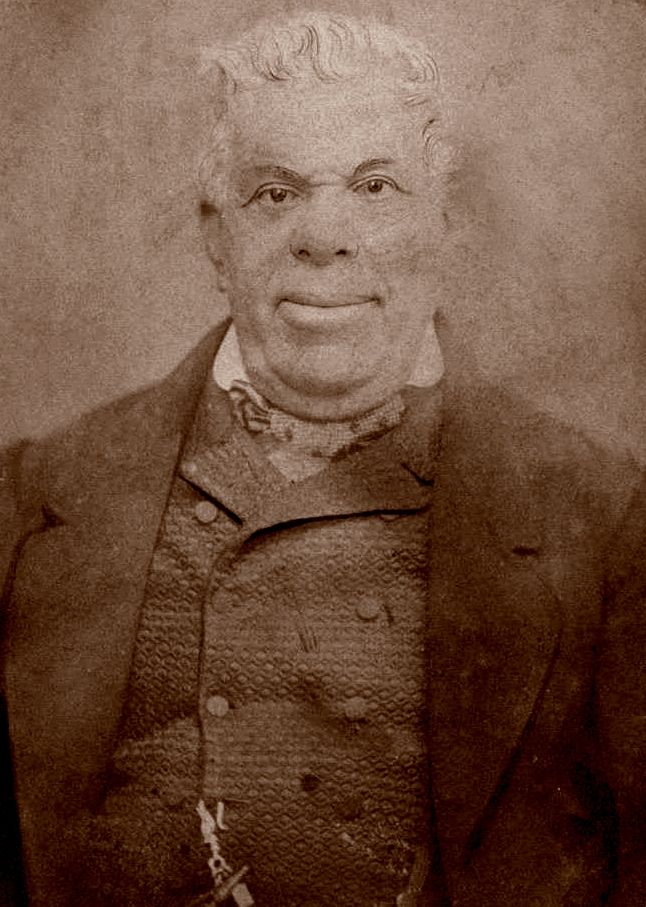
The 1820s were a time of great change for both Pio and the state of California. in 1821 Mexico won independence from Spain, spurring a wave of optimism that swept through young Californios like Pio. He launched his business career, opening a general store that sold everything from liquor and furniture to mules. This business required constant travel across Alta California, which put him in contact with many of the influential Californio families, which sparked his interest in politics.
in 1826 he was elected to the territorial legislature and in 1829 he received his first land grant–the nearly 9,000 acre Rancho Jamul near San Diego. He was re-elected several times and served as interim governor for 20 days in 1832 after leading a revolt against governor Manuel Victoria.
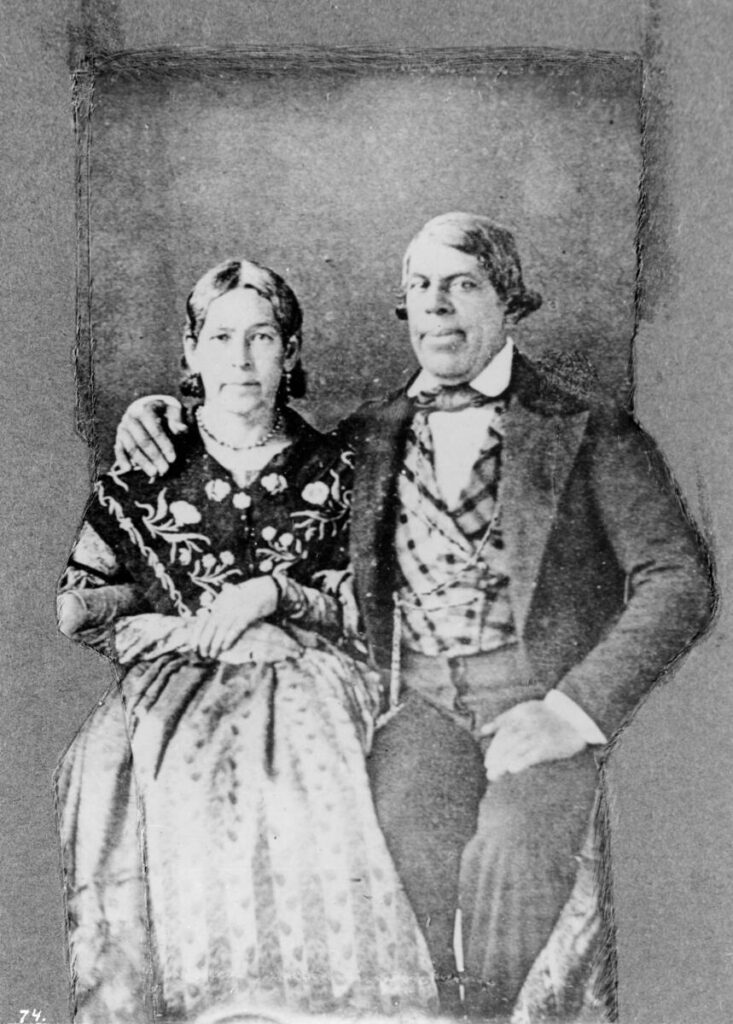
Pio continued to add to his influence in the following decades. He was one of the leading voices of the secularization of the missions and in 1834 played a huge role in transferring enormous land holdings from the Franciscan Missionaries to his political allies and fellow ranchers, at the direct expense of the indigenous population who had been promised the land. That same year he married Maria Ignacia Alvardo in a 3-day celebration where Governor Jose Figureroa served as the best man.
In 1841 Pio and his brother Andres were granted the colossal 133,000 acre Rancho Santa Margarita y las Flores–the present day site of Camp Pendleton and in 1845 Pio was again declared governor after yet another successful revolt against another unpopular governor. Although his 2nd tenure would also be short lived.
After war broke out between the U.S. and Mexico in 1846, Pio fled to Baja California to seek reinforcements and left his brother General Andres Pico to lead the Mexican forces in defense of California. Despite fierce resistance, the Californios were ultimately overwhelmed and Andres signed the Treay of Cahuenga on January 13th, 1847, ending Mexican rule over California.
Pio eventually returned to Los Angeles as a private citizen and continued to add to his immense wealth. The Gold Rush of 1849 brought thousands of prospectors out west and Pio and his fellow ranchers made a fortune supplying beef to the gold mining camps. in 1852 he acquired the nearly 9,000 acre Rancho Paso de Bartolo, which he called “El Ranchito,” and built an adobe home on the property where he hoped to retire with his wife, but she tragically passed away at age 44 in Santa Barbara just a couple of years later.
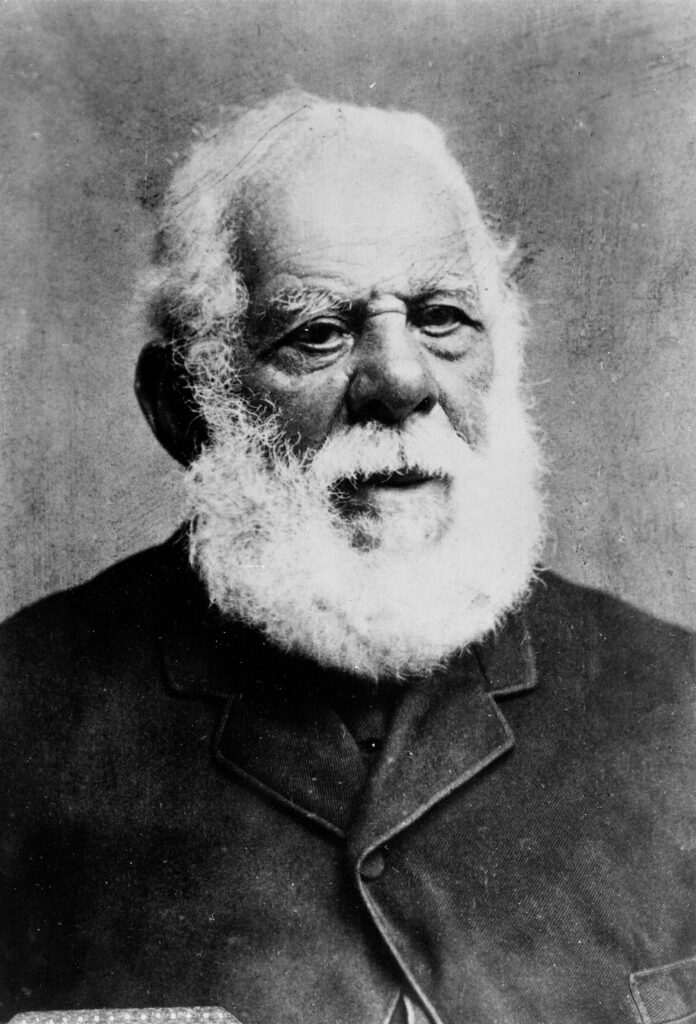
Pio continued to expand his business dealings, including building the Pico House Hotel, the 1st three-story building in the city at a cost of $85,000. However, his fortunes began a steady decline due to a combination of poor investments, lavish spending, overgenerosity, gambling, and people who took advantage of his inability to read or speak English.
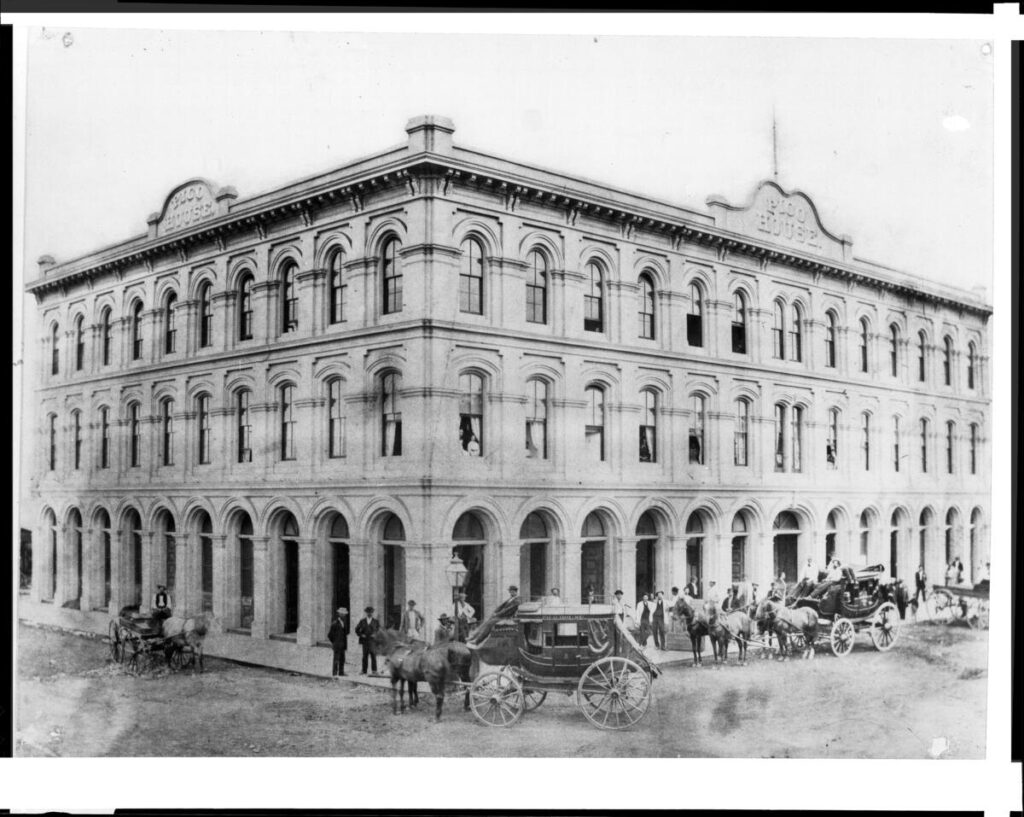
Photo credit: USC Libraries and California Historical Society
All this resulted in Pio spending the rest of his life entangled in legal battles, mostly fighting to hold on to his land. By 1880 he couldn’t pay his debts and lost the Pico House Hotel to foreclosure and then in 1892 lost his beloved “El Ranchito” after having signed it away thinking he was signing a loan document, which in reality, had been a deed. He spent his last two years nearly penniless, relying on the charity of his close friends and died on September 11th, 1894.
After his passing, El Ranchito fell into disrepair and the land on which it stood was bought by the city of Whittier for its water wells and by 1906 plans were formulating to demolish the adobe and use it as road fill. Fortunately, a community effort led by Pio’s friend Harriet Russell Strong raised funds to save and restore the adobe in 1909 and by 1917 the property was deeded to the state of California and eventually became one of its first state historic parks.
Today the park sits on 5 acres and features the fully restored 15-room adobe, a historic orchard and garden, and artifacts that give visitors a glimpse of what life was like at El Ranchito.